

Data Centres Programme activities
techUK provides a collective voice for UK Data Centre operators working with government to improve the business environment for our members. We keep members up to date with the key technical and regulatory developments that may impact growth and on funding opportunities that may increase commercial competitiveness. Visit the programme page here.
Upcoming events



Latest news and insights



Learn more and get involved
Data Centres updates
Sign-up to get the latest updates and opportunities from our Data Centres programme.
Meet the team

Luisa C. Cardani
Luisa C. Cardani
Luisa C. Cardani is the Head of the Data Centres Programme at techUK, aiming to provide a collective voice for UK operators and working with government to improve business environment for the data centres sector.
Prior to joining techUK, Luisa worked in the Department for Digital, Culture, Media and Sport as the Head of International Data Protection, where she led on the development of elements of the UK's data protection and privacy policy. In her role, she was also the UK official representative for the EOCD Privacy Guidelines Informal Advisory Group.
She has held a number of position in government, including leading on cross-cutting data provisions in the EU-UK Trade and Cooperation Agreement, and in high priority cross-departmental projects when working in the Department of Business, Energy and Industrial Strategy.
She holds an M.Sc. from University College London's Department of Political Sciences.
- Email:
- [email protected]
- Phone:
- 07587 210 799
- Website:
- www.techUK.org
- LinkedIn:
- https://www.linkedin.com/in/luisacardani
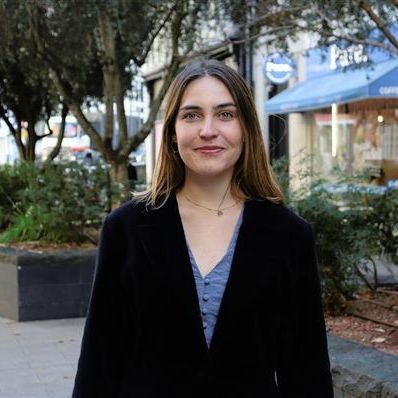
Jade van Zuydam
Jade van Zuydam
Jade joined techUK in September 2025, leading our data centres work on energy and water. As Junior Programme Manager, she works with industry and government to shape policy and advance sustainability, resilience and the UK’s net zero goals.
She brings a background in research, journalism and advocacy. Prior to joining techUK, Jade worked at The Economist developing international conferences to debate the most important ideas of our time, before moving into freelance journalism for their daily newsletter, The World in Brief. Her writing explores the intersection of environmental and social justice issues, from climate litigation and energy grids to sustainable agriculture. As programme manager at Digital Leaders, she engaged a network of over 100,000 members on digital transformation and its implications for policy, public services and decarbonisation.
Jade holds an MSc in Environment, Politics and Development from SOAS University of London, and a BA (Hons) in History and International Relations from the University of Exeter.

Lucas Banach
Lucas Banach
Lucas Banach is Programme Assistant at techUK, he works on a range of programmes including Data Centres; Climate, Environment & Sustainability; Market Access and Smart Infrastructure and Systems.
Before that Lucas who joined in 2008, held various roles in our organisation, which included his role as Office Executive, Groups and Concept Viability Administrator, and most recently he worked as Programme Executive for Public Sector. He has a postgraduate degree in International Relations from the Andrzej Frycz-Modrzewski Cracow University.
- Email:
- [email protected]
- Phone:
- 020 7331 2006
- Twitter:
- @techUK
- Website:
- www.techuk.org
- LinkedIn:
- https://www.linkedin.com/in/lucas-banach-50139650